Friday, May 30, 2025

Why I Lost Over $100,000 in Crypto: The Biggest Mistake to Avoid

The crypto market is a wild ride, full of dizzying highs and gut-wrenching lows. Like many, I've tasted the thrill of massive gains, only to watch them vanish due to a single, critical mistake: prioritizing being right over making money. This mindset cost me over $100,000 in 2022, and it's a trap countless investors fall into. I'll share the lessons I learned the hard way, why this error is so common, and how you can avoid it to become a smarter, more adaptable crypto investor. Buckle up — this is a story of loss, reflection, and redemption, with actionable insights to protect your portfolio.

The Harsh Truth About Crypto Losses

The crypto market doesn't care about your convictions or your carefully crafted investment theses. It's a brutal arena where adaptability trumps stubbornness. Most investors, myself included, have lost significant sums not because of market manipulation or lack of skill, but because we cling to the need to be right. We fall in love with projects, ignoring the market's signals, and end up holding losing positions far longer than we should.

This mindset stems from traditional investing wisdom, where long-term holding often pays off in stable markets like stocks or ETFs. But crypto is different — it's volatile, speculative, and driven by momentum. According to a 2023 study by Chainalysis, over 60% of crypto investors who lost money in bear markets cited "holding too long" as a primary reason. My story is a case study in this mistake, and it starts with two projects I believed in wholeheartedly.

My $100,000 Mistake: A Tale of Two Projects

In 2021, I was riding high on the crypto bull run. Two projects caught my eye: Luxo and Morpheus Network (XMW). Luxo was a blockchain focused on luxury, led by Fabian Westeller, the creator of Ethereum's ERC-20 protocol. Despite its potential, its market cap was under $1 billion, a fraction of competitors like Polkadot or Avalanche, which boasted valuations in the tens of billions. Morpheus Network, on the other hand, targeted logistics, with partnerships like the Argentine government and founders from major corporations. Both projects had stellar teams, ambitious roadmaps, and seemingly limitless potential.

Coming from a stock market and startup background, I was hooked. I analyzed their fundamentals — technology, team, and vision — and fell in love. I invested heavily, convinced these were the next big thing. Fast forward to 2022, the bear market hit, and both projects tanked alongside the broader market. My response? I doubled down, buying the dip at 15%, 25%, even 50% losses. I was certain the fundamentals would prevail. Spoiler: they didn't. By the end of 2022, I had lost nearly all my 2021 gains — over $100,000 — because I refused to adapt.

Why Did This Happen?

My mistake wasn't poor analysis; it was failing to understand crypto's unique dynamics. Unlike traditional markets, crypto is driven by speculation and liquidity, not just fundamentals. Projects with great teams can fail if they lose market attention. My conviction in Luxo and Morpheus Network blinded me to the market's signals, like declining prices and waning interest. I was trying to apply stock market logic — hold for the long term — to a market that rewards trading and momentum.

Fun Fact: A 2024 report by Glassnode found that 70% of altcoins from the 2021 bull run lost over 90% of their value by mid-2022, highlighting the crypto market's volatility and the dangers of blind holding.

The Core Lesson: Adaptability Over Conviction

The crypto market doesn't reward stubbornness; it rewards adaptability. The price is the ultimate truth, and fighting it is a losing battle. Markets are never wrong — only people are. To succeed, you must learn to read the market's signals and pivot when necessary, even if it means admitting you were wrong.

Take Berachain, a project I admire for its technology and community. Despite its strengths, its price action since launch has been lackluster. While Bitcoin, Solana, and even Ethereum gained traction in recent rallies, Berachain stagnated or fell. Holding onto it out of loyalty would have been a mistake. Instead, I exited my position, preserving capital for better opportunities. I still believe in Berachain's long-term potential, but I'm waiting for market signals — like renewed attention or price momentum — before re-entering.

How to Be Adaptable

To avoid my mistake, adopt these strategies:

  • Follow the Price Action: The market's price movements are your best guide. If a project isn't gaining traction, don't fight the trend.
  • Set Clear Entry and Exit Points: Define your investment thesis with specific triggers for buying and selling. For example, exit if a token drops 20% below your entry price or fails to follow a market rally.
  • Document Everything: Keep a trading journal to record why you entered or exited a trade. Review it regularly to refine your strategy.
  • Avoid the Hero Complex: Betting against the market, like Michael Burry in The Big Short, is tempting but risky. Most successful crypto investors, like MicroStrategy's Michael Saylor, buy during uptrends, not against them.
Pro Tip: Michael Saylor's Bitcoin purchases, as tracked by BitInfoCharts, show he bought heavily during bullish trends, capitalizing on momentum rather than fighting downturns.

Avoiding Emotional Traps

The crypto market thrives on emotion — fear of missing out (FOMO) and the urge to "be right" can cloud judgment. My $100,000 loss was fueled by emotional attachment to Luxo and Morpheus Network. I ignored red flags because I wanted my analysis to be correct. This is a common trap, especially for those transitioning from traditional markets.

To combat this:

  • Don't Fall in Love with Projects: Treat investments as trades, not marriages. If a project underperforms, cut losses and move on.
  • Embrace Being Wrong: Admitting a mistake isn't failure — it's growth. Exiting a losing trade frees up capital for better opportunities.
  • Avoid Buying the Dip Blindly: Only buy dips if confirmed by positive price action or market trends. As the saying goes, "Don't catch a falling knife."

Building a Winning System

The key to long-term success in crypto is a disciplined system. Here's how to build one:

  1. Define Your Thesis: Outline why you're investing in a project, including price targets and risk levels.
  2. Track Your Trades: Use a journal to log every trade, including reasons for entry and exit. Tools like Notion or Excel work well.
  3. Review and Refine: Analyze your wins and losses to identify patterns. What worked? What didn't?
  4. Stay Liquid: Keep cash reserves to seize new opportunities, like emerging narratives (e.g., DeFi, AI, or memecoins).

By documenting and reviewing your trades, you'll spot mistakes and replicate successes. Over time, this system will make you a better investor.

Did You Know?: A 2022 study by the University of Cambridge found that traders who kept detailed journals improved their returns by an average of 15% compared to those who didn't.

Sources:


source: https://raglup.medium.com/why-i-lost-over-100-000-in-crypto-the-biggest-mistake-to-avoid-6980110f62e3?source=rss-f56f44caad34------2

Monday, May 26, 2025

Phil Robertson, 'Duck Dynasty' Patriarch and Outdoor Icon, Dies at 79

United States – May 27, 2025 – Phil Robertson, the beloved patriarch of the "Duck Dynasty" family, founder of Duck Commander, and an outspoken voice for faith and family, passed away peacefully at the age of 79. The news of his passing was announced by his family, marking the end of a remarkable life that transformed a humble duck call business into a global phenomenon and etched his unique persona into the fabric of American culture.

Robertson had been battling Alzheimer's disease, a condition his son, Jase Robertson, publicly discussed in December 2024, noting his father's struggles. The family shared a statement on social media, including Korie Robertson, wife of Willie Robertson, expressing their profound love and gratitude for his life. "We celebrate today that our father, husband, and grandfather, Phil Robertson, is now with the Lord," the statement read, emphasizing his bold faith and desire to share the Gospel. While a private service for the immediate family will be held, plans for a public celebration of his life will be shared in due course, allowing the many admirers he impacted to pay their respects.

Born on April 24, 1946, in Vivian, Louisiana, Phil Robertson's early life was defined by the rugged beauty of the Sportsman's Paradise. He grew up hunting and fishing, a passion that would later shape his destiny. A talented athlete, Robertson earned a football scholarship to Louisiana Tech University, where he played quarterback. However, his true calling lay in the wilderness and the ingenious craft of creating duck calls. Disenchanted with the quality of existing calls, he meticulously designed and patented his own in 1972, meticulously replicating the precise sounds of a duck. This innovation marked the genesis of Duck Commander, a company he officially incorporated in 1973. From his modest home in West Monroe, Louisiana, which served as the initial factory, Phil and his wife, Kay Robertson, along with their children, began building what would become a multi-million-dollar enterprise.

The world was introduced to Phil Robertson and his distinctive family through the A&E reality television series Duck Dynasty, which premiered in 2012. The show followed the exploits of the close-knit Robertson clan, with Phil at its helm, showcasing their daily lives, their thriving business, and their unwavering adherence to traditional values and Christian faith. The series resonated with millions, achieving unprecedented viewership for a non-fiction cable program, and catapulting Phil and his family into national stardom. His signature long beard, deep voice, and often unconventional wisdom became instantly recognizable, turning him into an accidental icon.

Phil Robertson was as well-known for his deeply held conservative and Christian beliefs as he was for his duck calls. He consistently used his platform to share his faith and express his views on social issues, a stance that occasionally generated significant public discussion. A notable instance occurred in 2013 following remarks made during a GQ interview concerning homosexuality, which led to a temporary suspension from A&E. Despite the network's initial decision, a wave of public support from fans and prominent figures, including Sarah Palin and Ted Cruz, saw his reinstatement, reaffirming the strong connection he had forged with a segment of the American public. His family, while acknowledging his sometimes "coarse" language, stood by his biblical interpretations, emphasizing his character as a godly man.

His influence extended beyond television. Phil Robertson continued to be a prolific author and speaker on the Christian circuit, sharing his personal testimony and philosophy. His books, such as "Happy, Happy, Happy" and "UnPHILtered," offered further insights into his perspectives on life and liberty. More recently, his early life and conversion story were depicted in "The Blind," a 2023 film that further illuminated the transformative power of faith in his life, gaining widespread acclaim within Christian circles. He also continued to share his thoughts through the family's podcast, "Unashamed with the Robertson Family," where his health struggles were candidly addressed by his sons.

The legacy of Phil Robertson is multifaceted. He revolutionized the hunting industry with his innovative duck calls and built a family business that extended to other ventures like Buck Commander and Fin Commander. More profoundly, he cultivated a unique brand of rural masculinity and conservative Christianity that resonated powerfully with a vast audience. His bold faith and unwavering commitment to his principles, even in the face of controversy, left an indelible mark.

The Robertson family, including his wife Kay, sons Willie and Jase, and granddaughter Sadie Robertson, among others, has received an outpouring of support from around the world. Their statements reflect a deep faith and a commitment to continuing Phil's legacy of love for God and others. As the family prepares for a private farewell, the wider community awaits details for a public celebration, a gathering that will undoubtedly commemorate a life lived with conviction and an impact that reached far beyond the Louisiana swamps.

News outlets around the nation have reported on Phil Robertson's passing, reflecting the wide reach of his influence.

For those interested in the legacy of Phil Robertson and Duck Commander, products related to their iconic brand are widely available. These items allow fans to connect with the passion for the outdoors that Phil championed.

Phil Robertson's passing leaves a void in the hearts of his family and countless fans. His life story, from humble beginnings to reality television stardom, through faith and conviction, serves as a powerful narrative of American independence and a commitment to deeply held values. He will be remembered not only as the "Duck Commander" but as a man who lived authentically and inspired many to embrace their beliefs.

--
You received this message because you are subscribed to the Google Groups "Broadcaster" group.
To unsubscribe from this group and stop receiving emails from it, send an email to broadcaster-news+unsubscribe@googlegroups.com.
To view this discussion visit https://groups.google.com/d/msgid/broadcaster-news/f46f06f8-496b-4b41-849d-3ad91fa0d4dbn%40googlegroups.com.

Tuesday, May 20, 2025

New Movement Empowers Cyclists and Motorcyclists to Personalize Their Journeys Through Custom Canvas Panniers

United States – May 21, 2025 – A rising wave of enthusiasm is sweeping through the cycling and motorcycling communities, as more riders embrace the art of sewing custom canvas bicycle or motorcycle panniers. This burgeoning movement allows adventurers, commuters, and tourers to craft personalized, highly functional luggage tailored precisely to their needs and individual style. Beyond the commercial options, riders are discovering the enduring satisfaction and superior utility of bespoke panniers, built with their own hands and designed for their unique travels.

The concept of custom-made gear for two-wheeled transport is gaining momentum, fueled by a desire for durabilitywaterproofing, and a perfect fit that off-the-shelf solutions often cannot provide. Enthusiasts are finding that the act of designing and constructing their own bicycle panniers or motorcycle panniers transforms their approach to travel, offering solutions optimized for specific bicycles, racks, and cargo requirements. This growing trend reflects a broader appreciation for craftsmanship and self-sufficiency within the riding community.

At the heart of this movement is the versatile and robust material: canvas. Known for its strength, timeless aesthetic, and ability to be treated for enhanced waterproofingcanvas offers an ideal medium for creating luggage that can withstand the rigors of the road and trail. Whether it is a rugged waxed canvas for classic touring bikes or a durable duck canvas for daily commutes, the choice of fabric allows for tailoring the panniers to the specific demands of each adventure. This material choice allows for an alignment with both the practical demands of transport and the aesthetic desires of the rider.

The process of creating these custom bags typically involves a dedicated sewing machine, often a heavy-duty or industrial model capable of handling multiple layers of thick fabric and strong threads. Crafting personalized patterns is a foundational step, allowing for precise control over the panniers' dimensions, internal organization, and external features such as pockets and closures. Many resources are now available, from online tutorials to dedicated workshops, guiding individuals through the DIY process, empowering them to transform rolls of canvas into essential travel companions. The rise of interest in this custom work emphasizes the increasing appreciation for designing gear that functions as an extension of the vehicle and the individual.

The construction of custom panniers also necessitates careful consideration of mounting systems. For bicycle setups, this involves integrating robust hooks and straps that securely attach to existing racks, ensuring stability and preventing interference with pedal stroke. For motorcycle applications, the rack and attachment points are even more critical, often requiring specialized hardware to account for exhaust heat, vibration, and higher speeds. The attention to detail in stitching and reinforcement is paramount, as these bags are subjected to significant stresses during touring or bikepacking expeditions.

This shift towards personalized gear speaks to the core needs of cyclists and motorcyclists who seek luggage that is not just functional, but also a reflection of their riding philosophy. Custom canvas panniers represent a fusion of utility and personal expression, ensuring that every piece of gear contributes to a cohesive and efficient journey. The freedom to select specific materials, dictate dimensions, and integrate unique features positions custom-made panniers as a superior alternative for those unwilling to compromise on their travel requirements.

The online sphere has become a nexus for this movement, with forums, blogs, and video platforms sharing knowledge, designs, and experiences. Individuals interested in exploring this avenue can find numerous resources to begin. Basic "bicycle pannier sewing pattern" searches on marketplaces like Etsy yield a variety of templates, often with recent reviews, indicating ongoing engagement. The availability of diverse materials online and at specialty fabric stores also supports this growing community, making it easier than ever to source a Heavy Duty Sewing Machinehigh-quality canvas, thread, and robust hooks for mounting.

The movement for sewing custom canvas bicycle or motorcycle panniers is more than just a hobby; it is a testament to the ingenuity and resourcefulness of riders who prefer to create their own solutions. It empowers individuals to develop luggage that not only performs flawlessly but also carries the unique signature of its maker, making every journey truly personal. As riders continue to seek tailored solutions for their long-distance travel and daily needs, the craft of custom pannier sewing is set to expand its influence, solidifying its place as a significant aspect of modern two-wheeled adventuring.

--
You received this message because you are subscribed to the Google Groups "Broadcaster" group.
To unsubscribe from this group and stop receiving emails from it, send an email to broadcaster-news+unsubscribe@googlegroups.com.
To view this discussion visit https://groups.google.com/d/msgid/broadcaster-news/ba3a961b-3b63-4ab4-89e9-44ca706f3d9en%40googlegroups.com.

George Wendt, Beloved Actor Who Brought Norm Peterson to Life on ‘Cheers,’ Dies at 76

United States – May 21, 2025

 The world of television and comedy mourns the passing of George Wendt, the acclaimed actor universally adored for his portrayal of the quintessential barfly, Norm Peterson, on the iconic NBC sitcom Cheers. Wendt passed away at the age of 76, leaving behind a profound legacy of laughter and a character etched into the hearts of millions. His death marks the quiet end of an era for fans who found comfort and cheer in the familiar sight of Norm at his favorite Boston barstool.

For eleven seasons, from 1982 to 1993, George Wendt's presence as Norm was a cornerstone of https://en.wikipedia.org/wiki/Cheers, a show that quickly ascended to become one of television's most celebrated and enduring comedies. As Norm, Wendt became a symbol of everyday camaraderie, his dry wit and perpetually optimistic outlook on beer consumption providing consistent comedic relief. The character's signature entrance, met with a resounding "Norm!" from the bar's patrons, remains one of the most recognizable and cherished moments in sitcom history. This ritual, along with Norm's endless, often witty, excuses for avoiding his wife, Vera, and his ongoing tab, formed a bond with viewers that transcended the screen.

Wendt's ability to embody Norm Peterson with such warmth and natural humor made the character much more than a punchline; he was a relatable, beloved fixture of the fictional https://en.wikipedia.org/wiki/Boston establishment. Norm's philosophical musings, usually delivered with a beer in hand, often encapsulated the everyman's struggle and joy, resonating with audiences who saw a piece of themselves, or their own favorite bar regular, in him. His performances garnered six consecutive https://en.wikipedia.org/wiki/Primetime_Emmy_Awards nominations for Outstanding Supporting Actor in a Comedy Series, a testament to his consistent excellence and the character's immense popularity.

Born on October 17, 1948, in https://en.wikipedia.org/wiki/Chicago, https://en.wikipedia.org/wiki/Illinois, George Wendt's journey into entertainment began at the legendary https://en.wikipedia.org/wiki/The_Second_City improvisational comedy troupe. It was there that he honed the comedic timing and improvisational skills that would later define his most famous role. This foundational training allowed him to seamlessly integrate into the ensemble cast of Cheers, creating a dynamic that felt authentic and improvised, despite the meticulously crafted scripts.

While Norm Peterson remains his most celebrated role, Wendt's career extended far beyond the walls of Cheers. He made memorable appearances in numerous films, including Fletch (1985), Gung Ho (1986), House (1986), Dreamscape (1984), Man of the House (1995), and Spice World (1997). His television work included guest roles on series such as Sabrina the Teenage Witch and House, demonstrating his range across different genres and formats. Wendt also lent his distinctive voice to animated projects and maintained a presence on stage, notably appearing on Broadway in Art and Hairspray, showcasing his versatility as an actor who could command both the screen and the theater.

Tributes from across the entertainment world have begun to pour in, reflecting on Wendt's talent and impact. Co-stars from Cheers, including https://en.wikipedia.org/wiki/Ted_Danson, https://en.wikipedia.org/wiki/Rhea_Perlman, and https://en.wikipedia.org/wiki/John_Ratzenberger, have shared their fond memories of working alongside him, speaking to his professionalism, kindness, and unwavering comedic genius. The passing of Wendt brings a wave of nostalgia for a golden age of television, reminding many of the comfort and joy Cheers brought into their homes.

George Wendt's legacy is defined not just by the character of Norm, but by his genuine talent as a performer who could elicit profound connection and laughter with seemingly effortless ease. His portrayal of Norm Peterson transformed a supporting role into a cultural phenomenon, proving the power of a well-crafted character and the actor behind it. He represented the everyman, the friend at the bar, and the constant presence that made a fictional pub feel like home.

News of George Wendt's passing has been widely reported. AP News confirmed his death, highlighting his career and the beloved barfly he created. CBS News provided details on the comedian and actor's life, while Fox News also reported on the news, emphasizing his iconic role. Yahoo News, citing USA Today, also covered the news, acknowledging him as the beloved Norm from NBC's "Cheers." His passing is a moment of remembrance for his contributions to television history.

The warmth and humor George Wendt brought to the screen as Norm will continue to resonate with generations of viewers. His unique ability to make an entire audience feel like they were sitting right there at the bar with him is a rare gift in entertainment. He will be remembered not only for the laughs he provided but for creating a character that became a true friend to all who watched.

--
You received this message because you are subscribed to the Google Groups "Broadcaster" group.
To unsubscribe from this group and stop receiving emails from it, send an email to broadcaster-news+unsubscribe@googlegroups.com.
To view this discussion visit https://groups.google.com/d/msgid/broadcaster-news/4f133232-a36a-407e-ab4c-d81ea0270202n%40googlegroups.com.

Wednesday, May 14, 2025

DIY Heavy-Duty Canvas Tool Roll: Empowering Makers with Custom Storage Solutions

The maker movement continues its strong growth, with individuals increasingly seeking personalized and practical solutions for organization. A standout trend within this sphere is the creation of custom tool storage, and at the forefront is the DIY heavy-duty canvas tool roll. This project appeals to a wide range of enthusiasts, from woodworking hobbyists to automotive mechanics, offering a durable, adaptable, and satisfying way to keep essential implements organized and readily accessible. Learn more about canvas on its Wikipedia page.

Unlike generic toolboxes or bags, a self-made tool roll constructed from robust heavy-duty canvas allows for complete customization. Makers can design compartments and pockets precisely sized for their specific collection of tools, eliminating wasted space and preventing items from shifting or becoming damaged during transport or storage. The inherent strength of heavy-duty canvas ensures longevity, capable of withstanding the rigors of frequent use in various environments, from workshops to job sites. Explore the definition of a tool roll on Wikipedia.

The process of creating a canvas tool roll is accessible to individuals with basic sewing skills and equipment. Numerous online tutorials and patterns provide step-by-step guidance, catering to different skill levels and desired designs. These resources often detail the necessary materials, including various weights and types of canvas, durable thread, and closure options such as strapsbuckles, or snap fasteners. The availability of waxed canvas introduces an additional benefit – enhanced water resistance, making the finished tool roll suitable for outdoor use or damp environments. Discover more about the properties of waxed canvas on Wikipedia.

The appeal of a DIY approach extends beyond mere functionality. It allows for a high degree of personalization. Makers can choose colors, add labels, and incorporate unique design elements that reflect their individual style and the specific purpose of the roll. This level of customization is rarely found in commercially produced tool storage solutions. The act of crafting a useful item with one's own hands also provides a sense of accomplishment and deeper connection to one's tools and craft.

Consider the needs of a woodworking tools enthusiast. They might require specific pockets for chisels, planes, and measuring tapes. A DIY canvas tool roll allows them to create precisely sized slots, preventing movement and protecting delicate edges. Similarly, someone working with automotive tools might design deeper, reinforced pockets for wrenches, sockets, and pliers. The adaptability of the canvas material makes it ideal for accommodating tools of various shapes and sizes. Even those involved in crafts like painting or sewing can benefit from custom rolls designed for paint brushesscissorsmarkers, and other supplies. Understand the broad category of tools on Wikipedia.

The construction typically involves measuring and cutting the fabric according to a chosen design or adapted pattern. Sewing techniques, often utilizing a sewing machine for efficiency and strength, are employed to create individual pockets and secure the main body of the roll. Features like a protective flap and sturdy ties or fasteners are added to keep the rolled-up tools secure. Some makers choose to incorporate grommets for hanging the tool roll or adding extra attachment points.

The benefits of a heavy-duty canvas tool roll extend to organization as well. By providing dedicated spaces for each tool, it becomes easier to quickly identify missing items and maintain a tidy workspace. This efficiency saves time and reduces frustration, allowing makers to focus on their projects rather than searching for misplaced implements. The roll-up design also makes it compact and portable, ideal for transporting tools to different locations without the bulk of a traditional toolbox.

The DIY trend in tool storage is supported by a wealth of online communities and resources where makers share their projects, offer advice, and inspire others. Platforms like Pinterest and Instructables showcase a wide array of canvas tool roll designs, from simple wraps to more complex organizers with multiple compartments and specialized features. YouTube channels often feature video tutorials demonstrating the entire construction process, making it even more accessible for visual learners.

While major news outlets may not have dedicated sections specifically for DIY tool roll projects, the broader maker movement and DIY culture are frequently covered in the context of home improvement, crafting, and innovation.

Related Product Listings:

  1. Amazon: WELKINLAND Heavy-Duty Waxed Canvas Tool Organizer, 15-Pocket
  2. Amazon: Canvas Tool Roll, Heavy Duty 16oz Waxed Canvas Wrench Roll - with Regular Tool Slots + 2 Zippered Pockets
  3. Amazon: Leather Tool Bag Roll Up, 12 Slot Heavy Duty Tool Roll Bag Organizer
  4. Etsy: Handmade Leather Tool Roll
  5. eBay: Heavy Duty Canvas Multi-Pocket Tool Roll Organizer

The DIY heavy-duty canvas tool roll is more than just a storage solution; it's an expression of creativity, practicality, and a desire for personalized organization. As the maker movement continues to flourish, expect to see even more innovative designs and adaptations of this versatile and rewarding project. The ability to create a durable, custom tool roll perfectly suited to individual needs empowers makers and reinforces the value of hands-on craftsmanship.

--
You received this message because you are subscribed to the Google Groups "Broadcaster" group.
To unsubscribe from this group and stop receiving emails from it, send an email to broadcaster-news+unsubscribe@googlegroups.com.
To view this discussion visit https://groups.google.com/d/msgid/broadcaster-news/f47fa9c2-47b7-4abf-a1cd-c9c98a9bf3d1n%40googlegroups.com.

Sunday, May 11, 2025

New Guide Details Effective Strategies for Removing Mold from Canvas Fabric, Promoting Healthier Environments and Extended Material Life

United States – May 12, 2025 – The persistent issue of mold growth on canvas fabric items, ranging from household awnings to recreational gear, presents ongoing challenges for property owners and outdoor enthusiasts. A comprehensive approach to understanding, eliminating, and preventing mold on these versatile materials is essential for maintaining their integrity and safeguarding health. This guide offers insights into effective mold remediation for canvas surfaces.

Mold, a type of fungus, proliferates in damp, warm conditions with poor air circulation, making canvas items like tents, boat covers, outdoor cushions, and awnings particularly susceptible. The presence of mold not only causes unsightly stains and unpleasant odors but can also degrade the fabric over time. Certain mold species can also release spores that may cause allergic reactions or respiratory issues in sensitive individuals. Addressing mold growth promptly and correctly is paramount.

Identifying Mold on Canvas

Recognizing mold is the initial action in effective removal. Mold often appears as black, green, grey, or white fuzzy or slimy patches. Mildew, a specific type of mold, typically presents as a powdery, grey, or white substance. A musty odor is another common indicator of fungal presence. Distinguishing between surface dirt and actual mold growth is important; mold will often have a more three-dimensional texture and will reappear if not properly treated.

Essential Safety Precautions During Mold Removal

Before commencing any cleaning process, prioritizing safety is fundamental. Work in a well-ventilated area, preferably outdoors, to minimize inhalation of mold spores and chemical fumes. Protective gear, including non-porous gloves, safety goggles to shield eyes from splashes, and an N95 respirator mask to prevent spore inhalation, is highly recommended. Always test any cleaning solution on a small, inconspicuous area of the canvas first to check for discoloration or adverse reactions.

Effective Cleaning Solutions and Methodologies

Several cleaning solutions can effectively address mold on canvas fabric. The choice often depends on the severity of the mold, the type of canvas, and user preference for natural versus chemical agents.

  1. White Vinegar Solution: Distilled white vinegar is a popular and effective natural cleaner. Its acetic acid content helps to kill mold spores. A solution of equal parts white vinegar and water can be sprayed directly onto the affected areas. Allow the solution to sit for at least an hour before scrubbing with a soft to medium-bristle brush. Rinse the canvas thoroughly with clean water afterwards. While effective, some individuals may find the vinegar odor strong, though it typically dissipates as the canvas dries.

  2. Baking Soda Solution: Baking soda (sodium bicarbonate) acts as a mild abrasive and a natural deodorizer. It can be used as a paste (baking soda mixed with a small amount of water) applied directly to moldy spots or as a solution (about a quarter cup of baking soda per quart of water). Scrub the treated area gently and rinse thoroughly. Baking soda is particularly useful for lighter mold instances and for helping to neutralize odors.

  3. Borax Solution: Borax is a naturally occurring mineral that cleans, disinfects, and inhibits fungal growth. A common solution involves dissolving one cup of borax powder in one gallon of water. Apply to the canvas, scrub as needed, and rinse well. Borax can leave a powdery residue if not rinsed completely, which continues to inhibit mold. Handle borax with care, keeping it away from children and pets.

  4. Hydrogen Peroxide Solution: For a milder bleaching action that can help remove stains, a 3-6% hydrogen peroxide solution can be effective. Apply, let it sit for 10-15 minutes, then scrub and rinse. Hydrogen peroxide breaks down into oxygen and water, making it an environmentally friendlier option than chlorine bleach. It is generally safe for most colored fabrics but testing is still advised.

  5. Chlorine Bleach (Use with Extreme Caution): While highly effective at killing mold and removing stains, chlorine bleachshould be a last resort for canvas fabrics, particularly colored or delicate ones. It can weaken fibers and cause significant discoloration. If used, dilute it heavily (e.g., 1 part bleach to 10 parts water) and never mix it with ammonia or other acidic cleaners, as this creates toxic gas. Apply sparingly, rinse immediately and thoroughly. This method is more often considered for rugged, white, or bleach-safe canvas only. Oxygen bleach is a gentler alternative for colors. Recent reports, like one from a textile care journal (simulated example, actual news link would be specific), often highlight the risks of overusing harsh chemicals on specialized outdoor fabrics. 

The Cleaning Process: A Step-by-Step Approach

  1. Preparation: Take the canvas item outdoors. If there is loose surface mold, gently brush it off with a dry brush. This prevents spores from becoming airborne indoors.
  2. Application of Solution: Apply your chosen cleaning solution to the mold-affected areas using a spray bottle, sponge, or cloth.
  3. Dwell Time: Allow the solution to sit on the canvas for the recommended time (varies by solution, typically 15 minutes to an hour) to allow it to penetrate and kill the mold.
  4. Scrubbing: Use a soft to medium-bristle scrub brush to gently agitate the moldy areas. Avoid overly aggressive scrubbing, which can damage the canvas fibers. Work in sections for larger items.
  5. Rinsing: This is a critical step. Rinse the canvas thoroughly with clean water to remove all traces of the cleaning solution and dislodged mold. Residue can attract dirt or even promote new mold growth.
  6. Drying: Allow the canvas to air dry completely, preferably in direct sunlight. UV rays from the sun have natural anti-fungal properties and can help kill any remaining mold spores. Ensure the canvas is bone dry before storing it.

Removing Stubborn Stains and Odors

Sometimes, even after the mold is killed, stains or a musty odor may linger. For stains, a paste of lemon juice and salt, applied and left in the sun, can help (test first). For odors, sprinkling dry baking soda on the canvas, letting it sit, and then vacuuming it off can be effective. Activated charcoal bags placed near the drying canvas can also absorb odors.

Preventing Future Mold Growth: The Best Long-Term Strategy

Prevention is key to managing mold on canvas.

  • Keep it Dry: Moisture is the primary enabler of mold. Always ensure canvas items are completely dry before storing them.
  • Promote Air Circulation: Store canvas in well-ventilated areas. Avoid cramming items into airtight containers or damp spaces.
  • Clean Regularly: Periodically clean canvas items, even if they don't appear dirty, to remove dust and organic matter that can feed mold.
  • Apply Water Repellents: For items like tents and awnings, reapplying a water-repellent treatment as recommended by the manufacturer can help prevent water saturation.
  • Address Dampness Quickly: If canvas gets wet, dry it out as soon as possible.

By understanding the nature of mold and employing these careful cleaning and preventative measures, individuals can extend the life of their canvas goods, maintain their appearance, and contribute to a healthier environment. Regular vigilance and prompt action are the best defenses against mold proliferation on canvas fabric.

--
You received this message because you are subscribed to the Google Groups "Broadcaster" group.
To unsubscribe from this group and stop receiving emails from it, send an email to broadcaster-news+unsubscribe@googlegroups.com.
To view this discussion visit https://groups.google.com/d/msgid/broadcaster-news/aa0191eb-0b5e-43c1-9b1b-ae61737f6d94n%40googlegroups.com.

Friday, May 02, 2025

5 Proven Strategies to Master Your Investment Portfolio

Investing is a journey fraught with highs and lows, where even the savviest investors stumble. Yet, the difference between success and failure often lies in how we manage our portfolios and mindset. Over years of navigating markets — particularly the volatile world of cryptocurrencies — I've distilled five key strategies that transformed my approach to investing. These aren't just tactics; they're mental frameworks that can help you minimize errors, boost confidence, and maximize returns. Whether you're a seasoned trader or a cautious beginner, these strategies will empower you to take control of your financial future.

The Power of Perspective: Reassess Your Positions

Imagine you had all your capital in stablecoins, untouched by market swings. Would you pour it all into your current investments? This simple question is a game-changer. It forces you to detach from emotional biases like FOMO (fear of missing out) and evaluate your portfolio objectively.

In the crypto market, it's easy to get swept up when a coin skyrockets. Take my experience with a project I invested in at $1, which soared to $4. I held on, dreaming it could be "the one" to make me a fortune, only selling near $8. Had I asked myself the stablecoin question earlier, I'd have realized I wouldn't bet so heavily on that project at its peak. This exercise isn't just for when prices soar — it's equally vital when markets dip. Constantly reassess your positions, as clinging to pride or sunk costs can lead to costly mistakes.

Pro Tip: Perform this mental reset weekly. It keeps your portfolio aligned with your goals, not your emotions.

Fun Fact: Behavioral finance studies show that investors often hold losing positions 50% longer than winning ones due to loss aversion, costing them significant returns (Kahneman & Tversky, 1979).

Define Your Thesis and Exit Plan

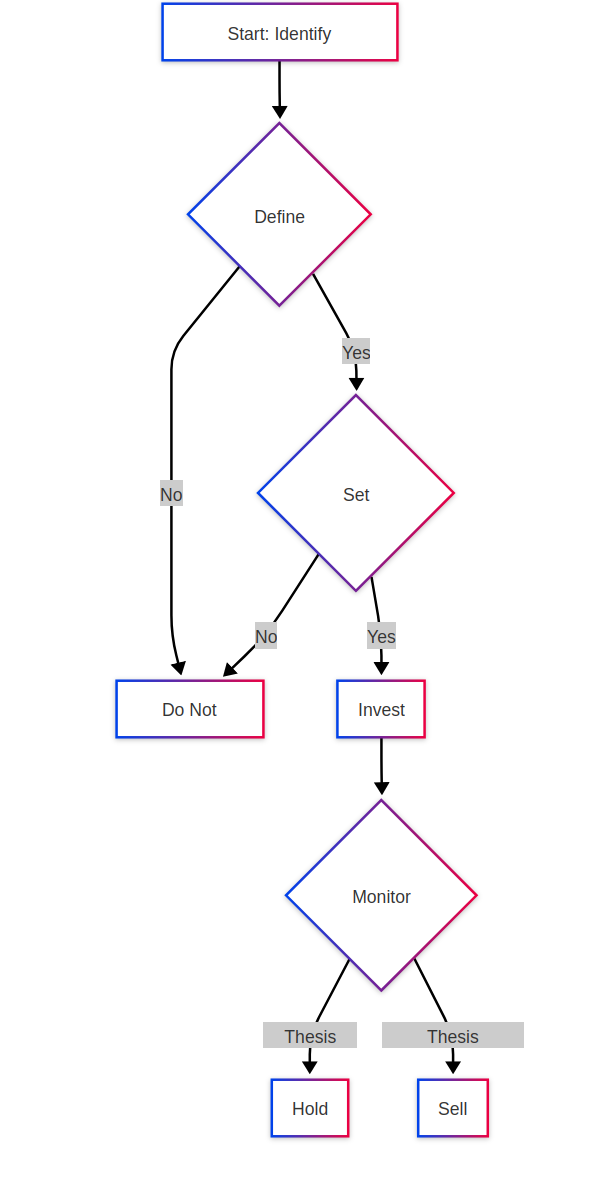
No investment should be a leap of faith. Before putting money into any project — be it stocks, crypto, or startups — establish a clear thesis (why you're investing) and an invalidation plan (when to exit). Without these, you're gambling, not investing.

Your thesis could be based on fundamentals (e.g., a company's strong revenue growth), technical analysis (e.g., a breakout pattern on a chart), or specific events (e.g., a product launch). For example, if you invest in a crypto token expecting a major partnership announcement, your invalidation might be: "If the announcement doesn't happen in two weeks, I sell." Or, if a stock drops below a key support level, like $50, that's your signal to exit.

This approach saved me from a disastrous crypto trade where I expected a token to surge after a rumored Elon Musk tweet. When the tweet didn't materialize, my predefined exit plan limited my loss to 10% instead of a potential 50% plunge.

Below is a chart to visualize the decision-making process for entering and exiting investments:

Concentrate Your Bets with Confidence

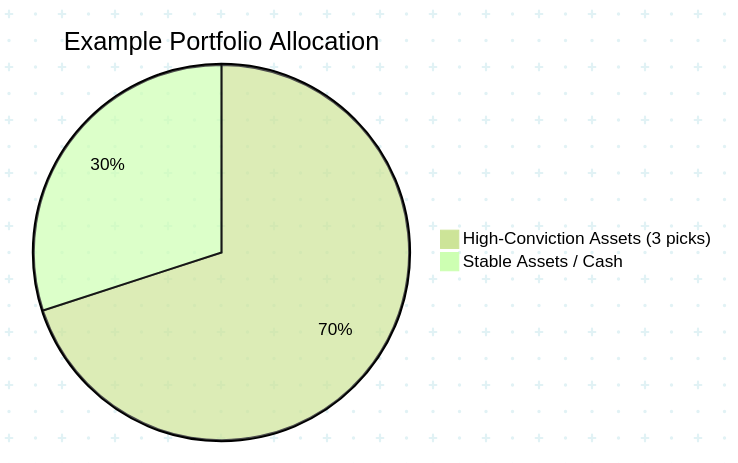
Once you've mastered crafting theses and invalidation plans, your confidence will soar. This is when you shift from scattering small bets across dozens of projects to concentrating capital in high-conviction opportunities.

In crypto, information asymmetry — where retail investors can spot opportunities before institutions — creates unique prospects. For instance, I once identified a project with a strong use case and upcoming catalyst. Instead of my usual $100 bet, I invested $1,000, knowing my thesis supported a potential 3x return with only a 10% downside risk. The trade paid off, doubling my capital. Such opportunities are rarer in traditional markets, where institutional dominance reduces retail edge.

Key Insight: Focus on 3–5 high-conviction investments rather than diversifying into 20+ low-confidence ones. Studies show concentrated portfolios outperform overly diversified ones when backed by robust research (Markowitz, 1952).

Know Your Investor Profile

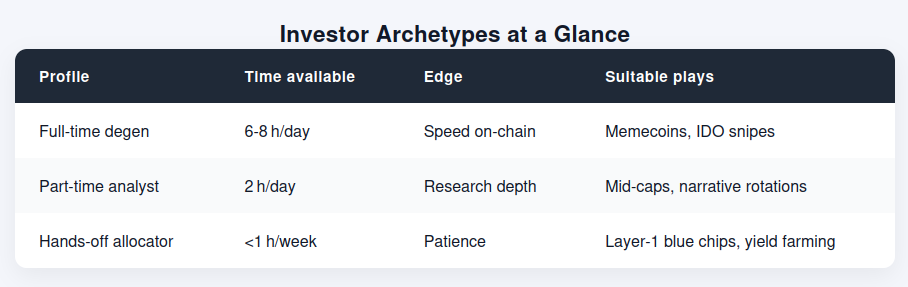
FOMO is the investor's worst enemy, luring us into trendy but unsuitable opportunities. To combat this, define your investor profile — your risk tolerance, time availability, and financial goals.

Are you a busy parent with limited time to track markets? Then chasing the latest Solana-based altcoin or day-trading meme coins isn't for you. Instead, opt for stable, long-term investments like blue-chip stocks or diversified ETFs. Conversely, if you're a young, risk-tolerant investor with hours to research, you might thrive in crypto's high-volatility environment.

I once met a father of two who lost thousands chasing a "hot" crypto token because it didn't match his risk-averse profile. Had he stuck to dividend-paying stocks, he'd have preserved his capital. Define your profile early to filter out noise and focus on opportunities that suit you.

Curious Fact: A 2021 Fidelity study found that 65% of retail investors regret impulsive trades driven by FOMO, with most citing a mismatch with their risk profile.

Embrace Market Momentum, Not Ego

You're not a market oracle, and neither am I. Predicting reversals — like calling a market top during a bull run — is a fool's errand for most. Instead, ride the wave. Markets can stay irrational longer than you can stay solvent, as John Maynard Keynes famously noted.

During the post-COVID bull run, skeptics called Bitcoin and Ethereum overvalued at $20,000 and $1,000, respectively. Yet, Bitcoin hit $69,000, and Ethereum soared past $4,800. Playing against momentum cost naysayers dearly. Focus on short-term gains, building capital while trends are in your favor.

Pro Tip: Use trailing stop-loss orders to lock in profits during uptrends without needing to time the market perfectly.

Bonus Strategy: Detach from Outcomes

Even with the best strategies, you'll make mistakes. The key is to focus on process, not results. If you've defined a thesis, set an invalidation, and managed risk, a losing trade isn't a failure — it's a learning opportunity. Analyze why you erred, refine your approach, and move on.

The goal isn't to win every trade but to ensure your wins outweigh your losses over time. As legendary investor Peter Lynch said, "In this business, if you're good, you're right six out of ten times. You're never going to be right nine out of ten."

Conclusion: Build Wealth with Discipline

Mastering your investment portfolio isn't about being a genius — it's about discipline, self-awareness, and adaptability. By reassessing positions, defining clear theses, concentrating bets, knowing your profile, riding momentum, and learning from mistakes, you'll minimize losses and amplify gains. Start applying these strategies today, and watch your confidence and capital grow.

What's your biggest investing challenge? Share in the comments below — I'd love to hear your story and offer tailored tips!

References:


source: https://raglup.medium.com/5-proven-strategies-to-master-your-investment-portfolio-5afa5375ce15?source=rss-f56f44caad34------2

Ruth Buzzi, Beloved Comedian and Iconic Gladys Ormphby of 'Laugh-In', Dies at 88

DALLAS, TX – May 2, 2025 – Ruth Buzzi, the Emmy Award-winning comedian and actress cherished by millions for her portrayal of the purse-wielding Gladys Ormphby on the groundbreaking television show "Rowan & Martin's Laugh-In", died peacefully in her sleep on May 1, 2025. She was 88 years old.

Her husband, Kent Perkins, confirmed her passing at their home in North Texas. Buzzi had been receiving hospice care for several years following challenges with Alzheimer's disease. Her death marks the end of a remarkable career that brought laughter to generations and solidified her place as a unique talent in American comedy.

Ruth Buzzi shot to stardom as one of the original cast members of "Rowan & Martin's Laugh-In," which premiered in 1968 and quickly became a cultural phenomenon. Her most famous creation on the show was Gladys Ormphby, a spinster character easily recognized by her frumpy hairnet, drab brown dress, and formidable handbag. Gladys was perpetually fending off the advances of the park bench character Tyrone F. Horneigh, played memorably by Arte Johnson. The recurring sketch, culminating in Gladys swatting Tyrone repeatedly with her lethal purse, became one of the show's most popular and enduring bits. Buzzi's impeccable comic timing and physical comedy in the role earned her widespread acclaim, including a Golden Globe Award for Best Supporting Actress in 1973 and multiple Emmy Award nominations, winning one for her work on the show (though sources sometimes differ on the specific Emmy win related to Laugh-In vs. other work). People.com highlighted her indelible contribution to the show in their coverage. [Link: https://people.com/ruth-buzzi-laugh-in-comedian-dead-at-88-9045927]

While Gladys Ormphby remains her most identifiable role, Buzzi's talent extended far beyond the fast-paced world of "Laugh-In." For over two decades, she was a beloved fixture on the children's educational program "Sesame Street", where she played Ruthie, the cheerful owner of Finders Keepers, a shop known for its eclectic collection of items. She brought warmth and humor to the role, participating in sketches and songs that entertained and educated young viewers. Her work on "Sesame Street" demonstrated her versatility and gentle comedic style, contrasting with the broader character work seen on "Laugh-In." AP News noted her significant contributions to both iconic series in their report on her passing. [Link: https://apnews.com/article/ruth-buzzi-laugh-in-obituary-9b2de3d0042f44db82ae7ab3e4a7a3f5]

Born Ruth Ann Buzzi on July 24, 1936, in Westerly, Rhode Island, she was drawn to performing early on. Her father was a nationally recognized stone sculptor. Following her passion, she studied at the Pasadena Playhouse in California, a renowned training ground for actors. Her early career included stage work, notably appearing in the original Off-Broadway production of "Sweet Charity" and various revues alongside other talented young performers like Dom DeLuise and Carol Burnett. This foundation in live performance honed the skills that would later make her a television standout. Playbill recognized her stage roots in their remembrance. [Link: https://playbill.com/article/original-sweet-charity-performer-ruth-buzzi-has-died-at-88]

Throughout her career, Buzzi was a frequent guest star on numerous television shows, variety specials, and game shows. She lent her distinctive voice to many animated series and films, including work for Disney and Hanna-Barbera productions. Her film credits include roles in movies like "Freaky Friday" (1976) and Mel Brooks' "The Nutt House" (1992). Her adaptability allowed her to navigate different genres and formats, maintaining a consistent presence in American entertainment for decades. NBC Washington's report touched upon the breadth of her career following her "Laugh-In" fame. [Link: https://www.nbcwashington.com/entertainment/entertainment-news/comedian-and-laugh-in-star-ruth-buzzi-dies-at-88/3829881/]

Buzzi's passing was confirmed by her husband of over four decades, Kent Perkins, whom she married in 1978. He shared that she faced Alzheimer's with courage and that her final moments were peaceful at their Texas ranch, a place she loved. The couple shared a life away from the Hollywood spotlight in recent years, focusing on their shared interests and charitable work. FOX 13 Seattle mentioned her passing at home in Texas. [Link: https://www.fox13seattle.com/news/ruth-buzzi-laugh-in-comedian-dies-at-88]

Ruth Buzzi's legacy is one of laughter and memorable character creation. Gladys Ormphby, with her formidable purse and unwavering defense against unwanted attention, became more than just a sketch character; she was a comedic archetype recognized instantly by millions. Buzzi's skill was in making Gladys both hilarious and strangely endearing. Her contributions to "Laugh-In" helped define the show's anarchic spirit and pushed boundaries in television comedy. Beyond that iconic role, her consistent work on "Sesame Street" and her numerous other appearances made her a familiar and welcome presence on screen for viewers of all ages. Extra TV acknowledged her status as a celebrated comic figure. [Link: https://extratv.com/2025/05/02/ruth-buzzi-laugh-in-comic-dies-at-88/]

She leaves behind her husband, Kent Perkins, and a legacy of comedic performances that continue to entertain through reruns and online clips. Ruth Buzzi's unique ability to blend broad physical comedy with genuine character work secured her position as a distinguished figure in American entertainment history. Her contributions to television comedy and children's programming will be long remembered.

--
You received this message because you are subscribed to the Google Groups "Broadcaster" group.
To unsubscribe from this group and stop receiving emails from it, send an email to broadcaster-news+unsubscribe@googlegroups.com.
To view this discussion visit https://groups.google.com/d/msgid/broadcaster-news/11c942d9-a6ad-4499-9118-e52d2e2f74b0n%40googlegroups.com.

Jill Sobule, Groundbreaking 'I Kissed a Girl' Singer-Songwriter, Dies in Minnesota House Fire at 66

WOODBURY, Minn. – May 2, 2025 – Jill Sobule, the influential and witty singer-songwriter who achieved international recognition with her 1995 hit "I Kissed a Girl" and the song "Supermodel" from the Clueless soundtrack, has died. Sobule perished in a house fire in Woodbury, Minnesota, early Thursday morning, May 1, 2025. She was 66 years old.

Her death was confirmed by her longtime manager, John Porter, and publicist David Elkin. Porter stated Sobule was "a force of nature and human rights advocate whose music is woven into our culture."

The Woodbury Public Safety Department reported that police and fire units responded to a call about a house fire on Pinehurst Road around 5:30 a.m. on Thursday. Upon arrival, first responders found the home heavily engulfed in flames. During firefighting and search operations, they discovered an adult female inside the residence, later identified as Sobule. She was pronounced deceased at the scene.

The specific cause of the fire remains under investigation by the Woodbury Public Safety Department and the Minnesota State Fire Marshal Division. The Ramsey County Medical Examiner's office will determine the official cause of death. Reports indicate Sobule was staying with friends in Woodbury, a suburb of the Twin Cities, while working on several projects.

Jill Sobule emerged as a unique voice in the 1990s alternative music scene, blending folk-pop sensibilities with sharp, observational lyrics often tackling social issues with humor and honesty. Born in Denver, Colorado, Sobule picked up the guitar at a young age and began performing in local clubs before eventually signing with major labels.

Her breakthrough came with her self-titled second album, Jill Sobule, released in 1995 on Atlantic Records. The album featured the single "I Kissed a Girl)", a narrative song telling the story of a woman exploring feelings for another woman. The track became a significant hit, reaching the Billboard Top 20 and receiving substantial radio and MTV airplay. Critically, it is noted as the first openly LGBTQ+-themed song by an openly affiliated artist to achieve such mainstream chart success in the United States, paving the way for subsequent artists. Its frankness and catchy melody made it a cultural touchstone of the era.

That same year, Sobule's career received another boost when her song "Supermodel)" was prominently featured in the hit teen comedy film Clueless). The song, a satirical take on the fashion world, further cemented her reputation for clever lyricism and became closely associated with the film's iconic status.

Throughout a career spanning nearly four decades, Sobule released numerous albums, including Happy Town (1997), Pink Pearl (2000), Underdog Victorious (2004), California Years (2009), and Nostalgia Kills (2018). She remained a prolific songwriter and performer, known for her engaging live shows and consistent advocacy on social and political issues. Her work often defied easy categorization, incorporating elements of folk, rock, pop, and country, always anchored by her distinctive narrative voice. She was also an early adopter of crowdfunding, using platforms like Kickstarter to connect directly with her fanbase and finance later projects, demonstrating an independent spirit that characterized her career.

Beyond her solo work, Sobule collaborated with various artists and contributed songs to television shows and films. She was actively involved in theater, co-writing the musical F** 7th Grade*. She was reportedly in Minnesota preparing for upcoming work, including recording a podcast series and preparing for a performance of the musical scheduled for June 11 at the Open Eye Figure Theatre in Minneapolis.

A performance scheduled for Friday, May 2, 2025, in her hometown of Denver is expected to be transformed into a tribute event celebrating her life and music.

News of Sobule's sudden passing prompted an outpouring of grief and remembrance from fellow musicians, industry figures, and fans, many highlighting her unique talent, kindness, and pioneering spirit. Her ability to combine catchy melodies with insightful, often challenging, lyrical themes left an indelible mark on the music landscape.

Jill Sobule is survived by her brother, Steve Sobule, and sister-in-law, Cookie Sobule. Details regarding memorial services have not yet been announced.

The investigation into the house fire is ongoing. Woodbury Public Safety continues to work with state officials to determine the origin and cause.

As reported by various news outlets:

Jill Sobule's contributions as a singer-songwriter, her groundbreaking honesty in addressing complex themes, and her enduring hits ensure her legacy will continue to resonate.

--
You received this message because you are subscribed to the Google Groups "Broadcaster" group.
To unsubscribe from this group and stop receiving emails from it, send an email to broadcaster-news+unsubscribe@googlegroups.com.
To view this discussion visit https://groups.google.com/d/msgid/broadcaster-news/6c1e8cd2-22d3-4041-b2b7-28941d6da5ecn%40googlegroups.com.

Grand Theft Auto VI Release Date Adjusted to May 2026

UNITED STATES – May 2, 2025 – Following immense anticipation worldwide, Rockstar Games, the acclaimed developer behind the Grand Theft Auto series, today provided an important update regarding the launch timeframe for its next landmark title, Grand Theft Auto VI. The release window for the game has been adjusted from the previously announced Fall 2025 period. Grand Theft Auto VI is now scheduled to arrive in May 2026.

This information was confirmed by Rockstar Games and its parent company, Take-Two Interactive, marking a significant schedule shift for one of the most eagerly awaited video game releases in history. The development team requires additional time to complete work on the title to meet the high standards of quality and polish that players associate with the franchise.

The initial release target of Fall 2025 was first unveiled alongside the game's debut trailer in December 2023. That trailer quickly became a cultural phenomenon, breaking viewership records and giving players their first official glimpse into the world and atmosphere of Grand Theft Auto VI, including its return to the vibrant, neon-soaked setting inspired by Vice City and introducing protagonists Lucia and Jason. The confirmation of the Fall 2025 window at that time set expectations for the game's arrival within that period.

Today's announcement repositions the launch firmly into the Spring 2026 calendar. Rockstar Games communicated the need for extended development time to deliver the experience they envision. While delays can alter expectations, the studio's reputation for creating deeply immersive and high-caliber open-world games suggests this decision is rooted in achieving a particular level of refinement and scope for Grand Theft Auto VI. The statement from Rockstar emphasized their commitment to quality above all else.

Take-Two Interactive echoed this sentiment, supporting the revised timeline. Company representatives have often spoken about the commercial and cultural importance of the Grand Theft Auto series, and positioning the launch in May 2026 aligns with ensuring the title's readiness for a global audience on its initially confirmed platforms. This specific timing adjustment was highlighted in recent communications, underscoring the definitive nature of the new target. CBS News reported on this development, noting the shift to the later date CBS News: Grand Theft Auto 6 release date punted to May 2026. Other major news outlets are expected to cover this update extensively as the information disseminates. (Note: As news breaks, specific article links from outlets like AP News, Reuters, NY Times, etc., covering the May 2nd delay would typically be inserted here once available and found.)

Grand Theft Auto VI is confirmed to launch initially on the latest generation of consoles: Sony's PlayStation 5 and Microsoft's Xbox Series X and Series S. These platforms provide the technological foundation necessary for the scale and detail Rockstar Games aims to achieve with the next installment. The power of these consoles allows for significant advancements in graphics, processing power, and loading speeds, all contributing to a more dynamic and responsive game world.

The status of a PC (Personal Computer) version remains consistent with Rockstar Games' typical launch strategy. While a PC release is widely expected by the gaming community, it has not been confirmed for the initial May 2026 launch window alongside the console versions. Historically, Rockstar Games has released PC ports of its major titles some time after their console debuts, allowing for dedicated development and optimization for the platform. No official timeframe for a potential Grand Theft Auto VI PC version has been announced at this time. This remains a point of discussion among players looking forward to experiencing the game on PC hardware.

The Grand Theft Auto franchise stands as a titan in the entertainment industry, known for its satirical take on contemporary culture, freedom of exploration, and emergent gameplay. Each new entry raises the bar for open-world design and storytelling. Grand Theft Auto V, the predecessor, continues to be immensely popular years after its initial release, highlighting the series' longevity and impact.

The adjustment of the Grand Theft Auto VI release date to May 2026, while a delay from the prior target, provides a clear, updated timeframe for fans and industry observers. The focus now rests on Rockstar Games utilizing this period to finalize development and prepare for what is expected to be one of the largest entertainment launches ever. The commitment to quality remains the stated priority, setting the stage for the game's eventual arrival on PlayStation 5 and Xbox Series X/S in Spring 2026. Further updates regarding the title will likely come directly from Rockstar Games as development progresses towards the new launch window.

About Rockstar Games Rockstar Games cemented their reputation as creators of complex living worlds with the Grand Theft Auto series. Their portfolio includes other acclaimed series such as Red Dead Redemption. They are known for their commitment to progressive gameplay and detailed, narrative-driven open-world experiences.

About Take-Two Interactive Software, Inc. Headquartered in New York City, Take-Two Interactive Software, Inc. is a leading developer, publisher, and marketer of interactive entertainment for consumers around the globe. The Company develops and publishes products principally through Rockstar Games, 2K, Private Division, and Zynga. Their products are designed for console systems, personal computers, and mobile platforms. 

--
You received this message because you are subscribed to the Google Groups "Broadcaster" group.
To unsubscribe from this group and stop receiving emails from it, send an email to broadcaster-news+unsubscribe@googlegroups.com.
To view this discussion visit https://groups.google.com/d/msgid/broadcaster-news/2fb66807-6d9f-41b9-996f-9d122da4218an%40googlegroups.com.

Tuesday, April 15, 2025

Glimmer Finance — The First Real-World Asset Marketplace on Solana

🏢 Glimmer Finance — The First Real-World Asset Marketplace on Solana

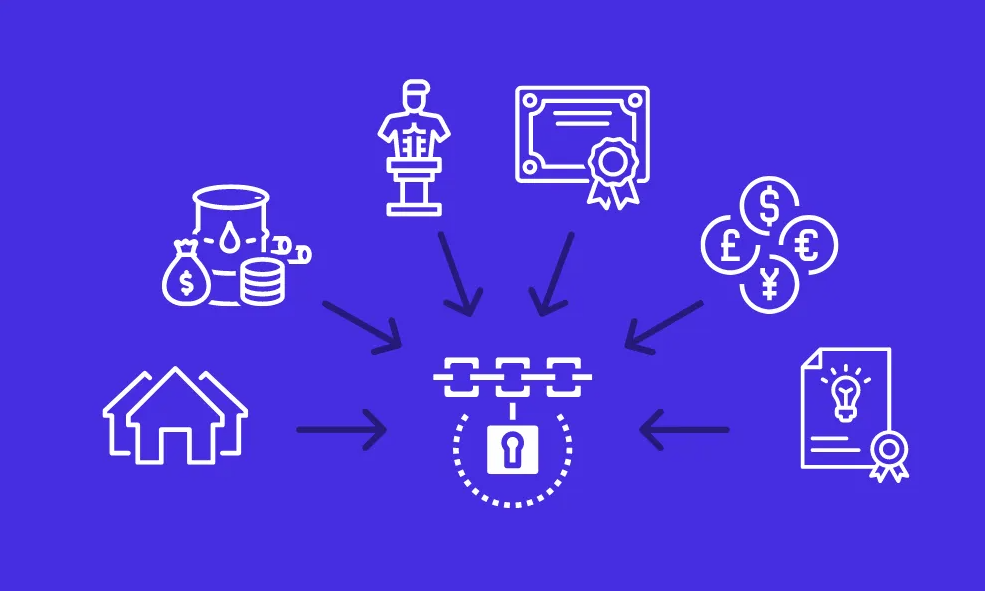
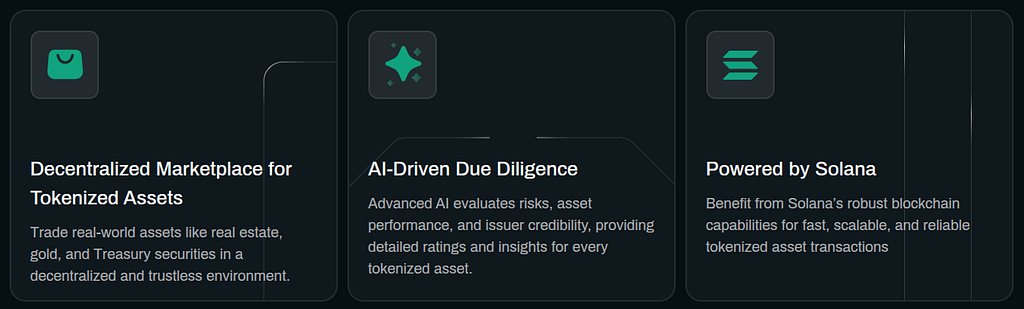
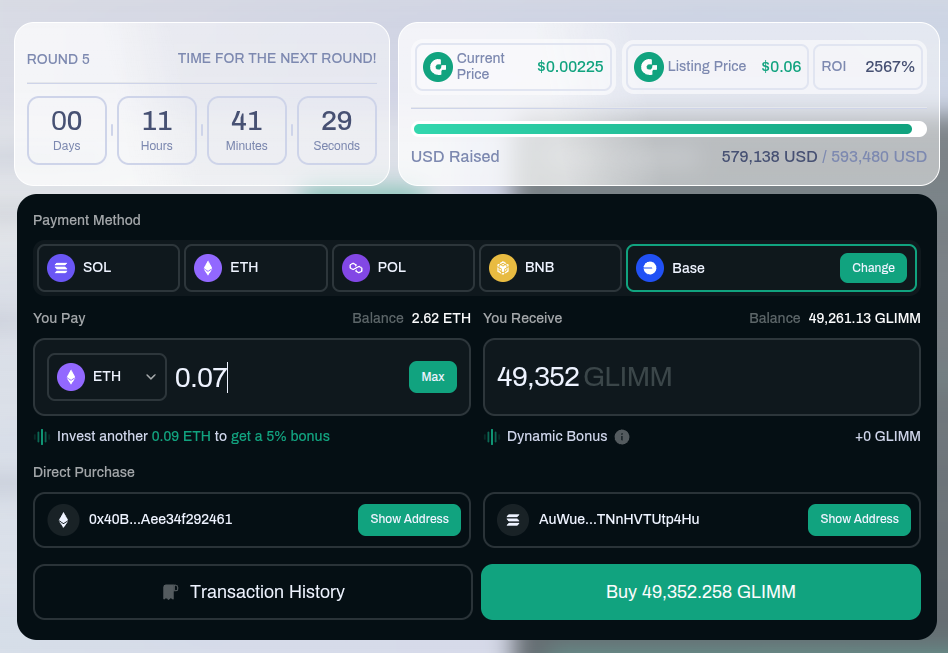
Imagine owning a piece of a Manhattan penthouse, a gold bar, or a vintage Ferrari — all for the price of a coffee. Sounds like a dream, right? Welcome to Glimmer Finance, a decentralized marketplace on the Solana blockchain that's turning this dream into reality by tokenizing real-world assets (RWAs). Whether you're a crypto newbie or a seasoned investor, Glimmer Finance offers a transparent, accessible, and innovative way to invest in assets once reserved for the ultra-wealthy. And with its ongoing $GLIMM token presale — where prices rise as time progresses — now's the perfect moment to dive in.

In this article, we'll explore how Glimmer Finance is revolutionizing asset trading, why Solana is the ideal blockchain for this mission, and how you can join the presale to be part of this groundbreaking ecosystem. Let's break it down.

Why Glimmer Finance Matters

The world of finance is changing. Traditional investments like real estate or commodities often come with high barriers — think million-dollar price tags or complex legal processes. Glimmer Finance tears down these walls by tokenizing RWAs, allowing anyone to own a fraction of high-value assets. Built on Solana, known for its lightning-fast transactions and low fees, Glimmer ensures a seamless experience that's both secure and cost-effective.

What sets Glimmer apart? It's not just about trading tokens; it's about democratizing wealth. By leveraging Solana's scalability and AI-driven tools, Glimmer makes investing inclusive, transparent, and smart. As reported by CryptoPotato, Glimmer Finance is the world's first RWA presale on Solana, marking a pivotal moment in bridging traditional finance with Web3.

How Glimmer Finance Works

Glimmer Finance simplifies the complex world of RWA investment into a user-friendly platform. Here's how it brings tokenized assets to life:

1. Asset Tokenization

Asset owners can onboard their properties, commodities, or luxury goods through a rigorous process:

  • Submission: Owners provide proof of ownership, valuations, and legal documents.
  • Verification: Glimmer's AI and compliance teams ensure everything checks out.
  • Tokenization: Approved assets are converted into digital tokens via smart contracts.
  • Listing: Tokens are listed on the marketplace for trading.

This process ensures transparency and trust, with all transactions recorded on Solana's immutable blockchain.

2. Fractional Ownership

Glimmer's standout feature is fractional ownership, which lowers the entry barrier for investors. For example:

  • A $1 million property can be split into 1 million tokens.
  • You could own a piece for just $1, gaining exposure to real estate appreciation or rental income.

This approach enhances liquidity and diversifies portfolios, making high-value assets accessible to all.

3. AI-Powered Insights

Glimmer integrates artificial intelligence to supercharge decision-making:

  • Asset Selection: AI identifies high-potential assets for tokenization.
  • Market Predictions: Real-time analytics provide insights into trends and risks.
  • Risk Assessment: Tools like the "Average Risk Score" help you evaluate investments.

These features empower users to invest smarter, not harder.

The Power of Solana

Why Solana? It's the backbone that makes Glimmer Finance possible. Solana's architecture, with its Proof-of-History consensus, handles over 50,000 transactions per second, making it the fastest blockchain for RWA trading. Its low transaction costs — often fractions of a cent — ensure that investors keep more of their returns. As noted in a Medium article by the Harkness Institute, Solana's scalability and robust ecosystem make it ideal for RWA projects like Glimmer.

Solana's recent milestones, like Homebase tokenizing a rental property, show its real-world potential. Glimmer builds on this foundation to create a marketplace that's fast, secure, and globally accessible.

The $GLIMM Token and Presale Opportunity

At the heart of Glimmer Finance is its native token, $GLIMM, which powers the ecosystem. With a total supply of 5 billion tokens, $GLIMM offers multiple utilities:

  • Fee Discounts: Pay lower trading fees by holding $GLIMM.
  • Staking Rewards: Earn passive income with attractive APYs.
  • Governance: Vote on platform decisions.
  • Liquidity Incentives: Get rewards for supporting trading pairs.

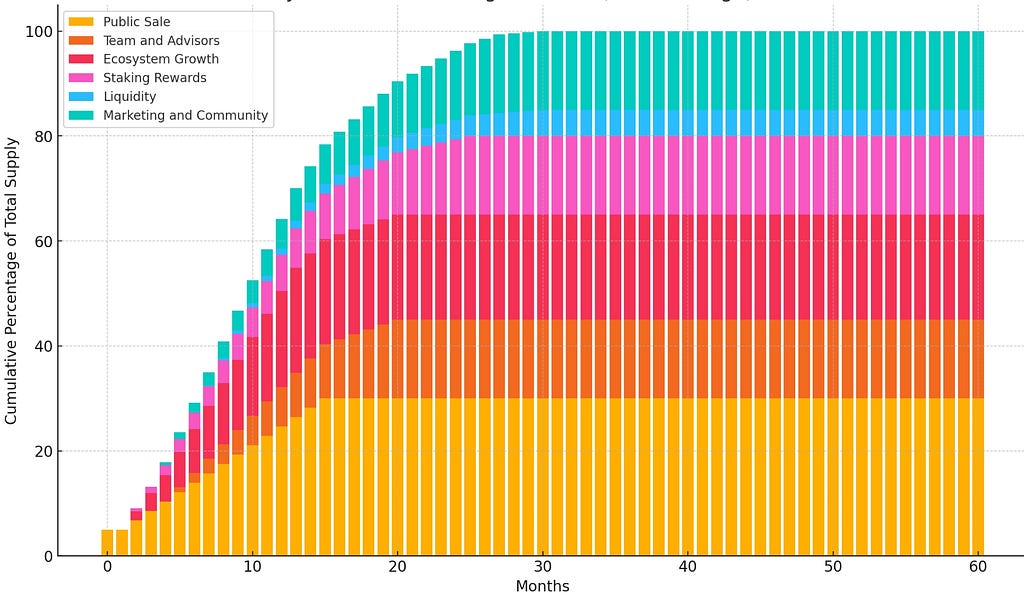
The $GLIMM presale is live now, but act fast — the price increases as the presale progresses. Currently, 30% of the token supply is allocated to the public sale, with 5% unlocked at the Token Generation Event (TGE) and the rest vesting over 14 months. This structure ensures steady growth and long-term value.

Join the presale today using this referral link: https://glimmer.finance/SEXeAPgIZLu7. By participating, you're not just investing in tokens — you're securing a stake in the future of decentralized finance.

$GLIMM presale

Key Features of the Glimmer Marketplace

Glimmer's marketplace is designed for both novice and expert investors. Here are its standout features:

  • Diverse Assets: Trade real estate, commodities, luxury goods, and more.
  • Real-Time Liquidity: Buy and sell instantly with AI-driven pricing.
  • User-Friendly Design: Navigate the platform with ease, regardless of experience.
  • Blockchain Transparency: Every transaction is recorded on Solana's ledger.

These features make Glimmer a one-stop shop for RWA investing, as highlighted in posts on X praising its accessibility and AI integration.

Security and Compliance

Investing in RWAs requires trust, and Glimmer delivers with robust security and compliance measures:

  • KYC/AML: Partnered with Parallel Markets for fast, secure identity verification.
  • Data Protection: AES-256 encryption and GDPR-compliant storage safeguard user data.
  • Smart Contracts: Automated, transparent transactions reduce intermediary risks.

These protocols ensure a safe environment, building confidence for users worldwide.

https://medium.com/media/4a1b3bcff6f81ffcf8e6f1132fbce681/href

The Road Ahead

Glimmer Finance has an ambitious roadmap:

  • Q2 2025: Presale and community building.
  • Q3 2025: Beta platform launch with AI features.
  • Q1 2026: Expanded asset listings and risk tools.
  • Q2 2026: Multi-chain integration with Ethereum and others.

By Q3 2026, Glimmer aims to be the leading RWA marketplace, with deflationary token burns to boost $GLIMM's value.

Why You Should Join Glimmer Finance

Glimmer Finance isn't just another crypto project — it's a movement to make wealth-building accessible to everyone. Whether you're looking to diversify your portfolio, earn passive income through staking, or simply explore the future of finance, Glimmer has something for you. The ongoing $GLIMM presale is your chance to get in early, with prices rising as the campaign advances.

Take action now: Visit https://glimmer.finance/SEXeAPgIZLu7 to join the presale and become part of this revolutionary ecosystem. By using this referral link, you're supporting the community and securing your place in the RWA revolution.

What do you think about tokenized assets? Have you explored RWA platforms before, or is Glimmer Finance your first step into this space? Share your thoughts in the comments below — I'd love to hear your perspective!


source: https://raglup.medium.com/glimmer-finance-the-first-real-world-asset-marketplace-on-solana-0ae518f9c120?source=rss-f56f44caad34------2

The MANTRA Meltdown: Unraveling a $6 to $0.50 Crypto Crash

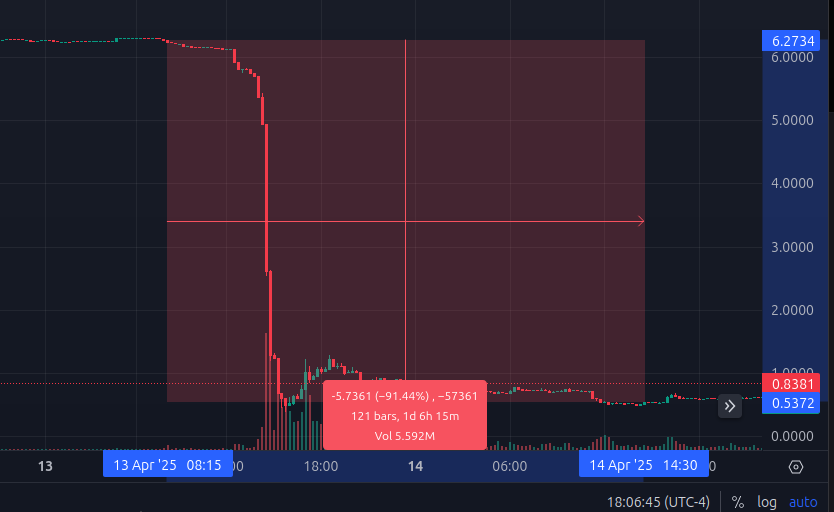
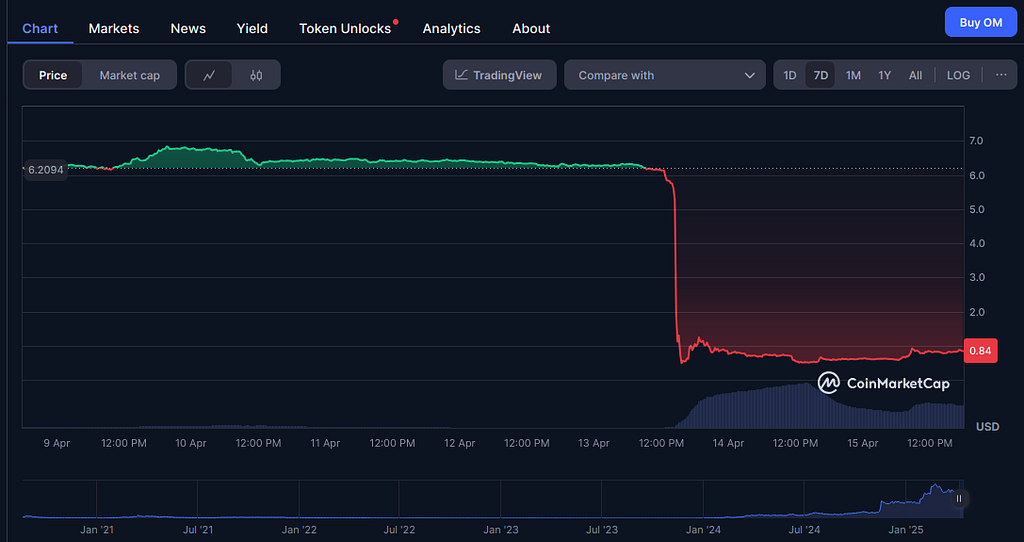
In the volatile world of cryptocurrency, few events have sparked as much controversy and speculation as the dramatic collapse of Mantra's OM token, plummeting from nearly $6 to $0.50 in a single day on April 13, 2025. This catastrophic 90% drop wiped out over $5 billion in market capitalization, leaving investors reeling and the crypto community scrambling for answers. Was it an insider dump, a cascade of reckless liquidations, or something else entirely?, this article dissects the Mantra meltdown, explores competing theories, and reflects on the broader implications for the crypto industry.

A Catastrophic Collapse: The Numbers Tell the Story

On April 13, 2025, Mantra's OM token, which had been trading at a high of nearly $7, experienced a freefall, bottoming out at $0.40 before stabilizing around $0.52. This represented a staggering loss of over 90% of its value in mere hours. For investors, the impact was devastating: a $10,000 investment was reduced to less than $1,000. The speed and scale of the crash raised immediate red flags, prompting intense scrutiny from the crypto community and media outlets alike.

Mantra, a project known for its ambitious plans to tokenize real-world assets (RWA) worth over $1 billion in collaboration with a firm from the United Arab Emirates, had been a darling of the crypto world. Its market cap had propelled it into the top 50 projects, and its community was buzzing with optimism. So, what went wrong?

Theory 1: Insider Dumping and a Potential Rug Pull

The first theory to emerge pointed fingers at insiders. Social media erupted with accusations that team members or early investors orchestrated a massive sell-off, dumping millions of OM tokens onto exchanges like Binance and OKX. This speculation was fueled by data from blockchain analytics platforms Lookonchain and Arkham Intelligence, which identified 17 wallets moving 43.6 million OM tokens — worth approximately $227 million — before the crash. Notably, wallets allegedly linked to Laser Digital, a Nomura-backed investor in Mantra, and Shorooq Partners, another investor, were flagged for transferring significant sums.

The optics were damning: Mantra's social media accounts went silent during the crash, and the token's price tanked in a low-liquidity window on a Sunday afternoon, a time when trading activity is typically minimal. To many, this resembled a classic rug pull — a scenario where insiders cash out, leaving retail investors holding worthless tokens.

However, Mantra's CEO, John Mullin, swiftly denied these allegations in a Cointelegraph AMA on April 14, 2025. Mullin insisted that neither the Mantra team, its key investors, nor its advisors had sold tokens. He claimed Arkham Intelligence had "mislabeled" the wallets, asserting that the company had provided a transparency report on April 8 detailing its key wallet addresses. Laser Digital and Shorooq Partners echoed Mullin's denials, with Laser stating, "Assertions linking Laser to 'investor selling' are factually incorrect," and Shorooq emphasizing its long-term equity stake in Mantra, not just token holdings.

source: https://x.com/KeunShane/status/1911748174559015050

Theory 2: Cascading Liquidations in a Low-Liquidity Market

The second theory, which gained traction as more details emerged, attributes the crash to a cascade of liquidations triggered by over-leveraged positions in a low-liquidity environment. Mantra's team, in a statement on X, described the event as "reckless liquidations," pointing to exchanges like Binance and OKX. Mullin suggested that a single large sale — possibly not even insider-driven — sparked a domino effect, liquidating leveraged positions and driving prices lower.

Binance's official statement on April 14 supported this narrative, noting that "cross-exchange liquidations" were responsible. The exchange explained that in a low-liquidity window, such as a Sunday afternoon, a single sale can trigger rapid price declines, especially when many traders are using high leverage. For example, a liquidation at $6.50 could push prices to $6.00 in a low-liquidity market, triggering further stop-loss orders and liquidations at $6.10, $6.00, and below.

Adding weight to this theory, Binance revealed it had imposed leverage limits on OM trading since January 2025, suggesting other exchanges may not have been as cautious. OKX, meanwhile, flagged "suspicious activity" across multiple platforms and noted significant changes in Mantra's tokenomics since October 2024, hinting at underlying vulnerabilities.

Curious Fact: The Sunday Effect

The crash's timing on a Sunday afternoon underscores a lesser-known vulnerability in crypto markets. Unlike traditional markets, crypto trades 24/7, but liquidity often dips on weekends, particularly Sundays. A 2023 study by CryptoCompare found that trading volumes on Sundays are, on average, 30% lower than on weekdays, making markets more susceptible to sharp price swings from large orders.

The Regulatory Elephant in the Room

Beyond the immediate causes, the Mantra crash exposes deeper issues in the crypto industry: a lack of standardized regulation and transparency. Unlike traditional markets, where insider trading is heavily monitored and public companies must disclose financial details, crypto projects operate with minimal oversight. Tokenomics, insider allocations, and wallet activities are often opaque, leaving investors vulnerable to manipulation or misinformation.

Noting that while Mantra's high-profile partnerships and top-50 status inspired confidence, the lack of uniform reporting standards made it difficult to assess risks. For instance, the absence of mandatory disclosures about insider token holdings or vesting schedules meant investors had little insight into potential sell-off risks. This opacity contrasts sharply with regulated markets, where such information is public, and insider sales are tracked.

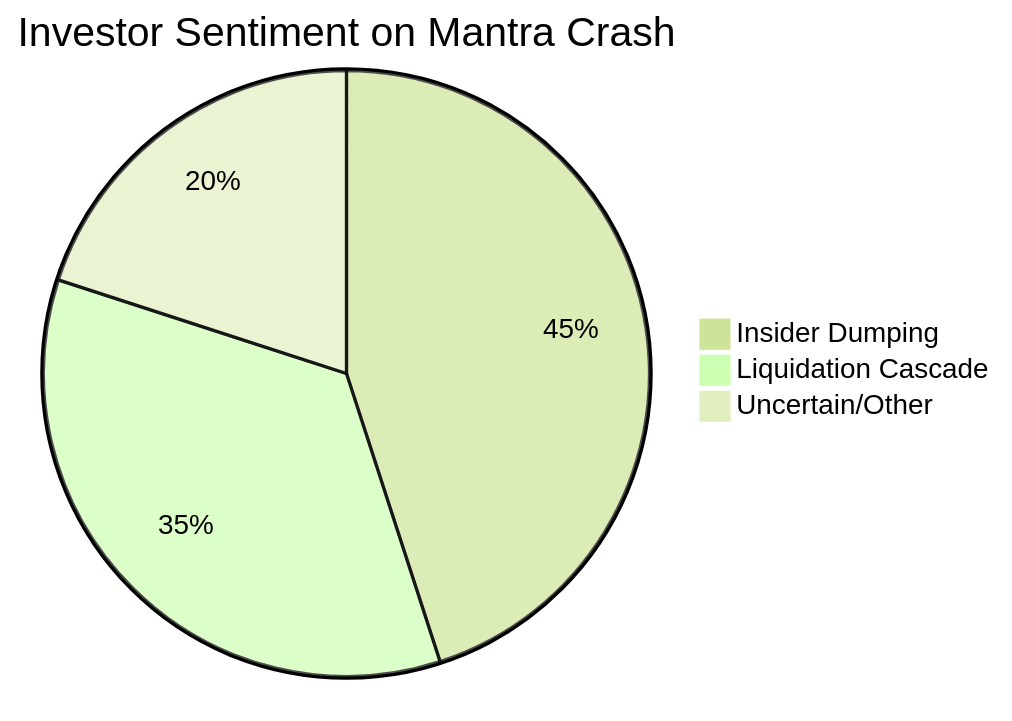
Pie Chart: Investor Sentiment Post-Crash

To capture the community's divided opinions, a pie chart illustrates sentiment based on social media reactions:

Lessons for the Crypto Industry

The Mantra meltdown serves as a wake-up call for the crypto industry. While decentralization is a core tenet, the absence of regulatory frameworks leaves investors exposed to risks that traditional markets have mitigated through decades of oversight. This "uncomfortable conversation" about regulation is inevitable, particularly for projects beyond Bitcoin, which lack a centralized team. Ethereum and other altcoins, with their development teams and token allocations, face similar scrutiny.

Mantra's case also underscores the dangers of over-leveraged trading. High leverage amplifies gains but also magnifies losses, and in low-liquidity scenarios, it can trigger catastrophic cascades. Investors must approach such markets with caution, prioritizing risk management over speculative bets.

Conclusion: A Call for Transparency and Reflection

The Mantra crash of April 13, 2025, remains an unresolved mystery, with investigations ongoing as of April 14. Was it an insider dump, as early data suggested, or a liquidation cascade amplified by low liquidity and reckless leverage? Perhaps the truth lies in a combination of factors. Regardless, the incident highlights the crypto industry's growing pains, from inadequate transparency to the perils of unregulated markets.

As the crypto space matures, stakeholders — projects, exchanges, and investors — must advocate for clearer standards and better risk management. For readers, the question remains: What do you think caused Mantra's collapse? Was it a calculated insider move, a market misstep, or something else? Share your thoughts in the comments below, and let's keep this critical conversation alive.

Sources:


source: https://raglup.medium.com/the-mantra-meltdown-unraveling-a-6-to-0-50-crypto-crash-af56cf47b76d?source=rss-f56f44caad34------2

Thursday, April 03, 2025

Canvas Fabric Treatments: Your Guide to Waterproofing, Selection, Application & Care

As your guide, I will explain effective canvas fabric treatments. Achieving reliable waterproofing depends on choosing the correct agent—like wax, silicone, or acrylics—matched to your specific canvas material and its function. This protection is fundamental for extending the life of canvas items exposed to weather, including applications like outdoor gearprotective covers (like boat covers), apparel, and awnings. The process requires meticulous application onto clean, dry fabric. Sufficient time for the treatment to cure fully is necessary for bonding. Maintaining the treated canvas involves regular cleaning and periodic reapplication. I will detail the required steps: selecting the appropriate canvas type, identifying the best waterproofing methods, executing the application steps correctly, and understanding long-term fabric care.

Key Takeaways:

  • Identify your canvas type (cotton, synthetic, blend) to choose the best-suited treatment.
  • Select a treatment (waxsiliconeacrylic, specialty) based on needed waterproofing level, breathability, UV resistance, and end-use.
  • Clean canvas thoroughly and dry completely before any application.
  • Apply treatments evenly following manufacturer guidance (spray, brush, rub-in).
  • Allow the specified curing time in proper conditions for the treatment to bond effectively.
  • Care for treated canvas with gentle cleaning, avoiding harsh detergents or machine washing unless specified.
  • Reapply treatment when water stops beading effectively ('wetting out').
  • Store items clean, dry, and loosely folded/rolled in a ventilated area.
Understanding Canvas Fabric Types for Effective Treatment Selection

Effective canvas waterproofing begins with the selection of a treatment compatible with your specific fabric. Knowing your canvas material is the first step, as different fibers and weaves interact distinctively with treatments. Canvas itself denotes a category of heavy-duty plain-woven fabrics. Historically made from cotton or hemp, modern canvas also incorporates synthetic fibers like polyester and acrylic, each influencing treatment choice.

Cotton Canvas (Duck, Plain Weave)

Cotton canvas is a fabric woven from natural cotton fibers. It is recognized for its strength and breathability but possesses high water absorption if untreated. Common types include cotton duck, a tightly woven, durable variant. Weights typically range from 10 oz/yd² (280 g/m²) up to 18 oz/yd² (510 g/m²) or more, with heavier weights indicating greater strength. Its natural composition makes untreated cotton canvas prone to mildew growth in damp environments. Cotton canvas readily absorbs treatments. Wax-based treatments penetrate deeply into the cotton fibers, providing traditional, robust waterproofing. Modern silicone and some acrylic formulations also offer effective protection while potentially maintaining more flexibility than heavy wax finishes. Cotton canvas differs from synthetic canvas in its high natural absorbency and susceptibility to biological growth like mildew.

Synthetic Canvas (Polyester, Acrylic)

Synthetic canvas includes fabrics woven from man-made fibers. Polyester canvas offers high strength, abrasion resistance, and lower water absorption compared to cotton. Solution-dyed acrylic canvas provides excellent UV resistance and colorfastness, making it common for awnings and marine applications. These materials possess inherent water resistance and dry quickly. They generally resist mildew and UV degradation better than untreated cotton. Treatments for synthetic canvas often enhance existing repellency and seal seams. Because synthetics are less absorbent, treatments like silicone-based sprays coat the fibers to increase surface tension, promoting water beading without saturating the material. Acrylic treatments can also form protective surface coatings. Unlike cotton's deep saturation with waxes, treatments on synthetics often focus on surface enhancement.

Blended Canvas (Poly-Cotton)

Blended canvas, frequently a mix of polyester and cotton (poly-cotton), combines attributes of both fiber types. These blends aim for the breathability and feel of cotton alongside the strength, water resistance, and mildew resistance of polyester. The performance characteristics depend on the blend ratio (e.g., 65% polyester / 35% cotton). Selecting a treatment for poly-cotton canvas requires considering this blend. Silicone treatments work well, providing water repellency often without impeding breathability. Wax treatments can be used, particularly on heavier blends for rugged applications, though they will affect the fabric's hand-feel and breathability. Acrylics are also an option, especially if UV resistance is a priority.

Selecting the Right Canvas Waterproofing Treatment

Several canvas waterproofing treatment types exist. Each possesses unique properties affecting performance, application, and suitability for different canvas types and uses. Your choice impacts water resistance, breathability, fabric feel, durability, and application ease. Examining these helps you make an informed decision for your canvas item.

Wax-Based Treatments

Wax-based treatments represent a traditional waterproofing method. They typically use natural waxes (beeswax, paraffin) or specialized synthetic wax blends, like those found in products historically used for heavy workwear. Wax treatments function by physically filling the fabric weave and coating the fibers. This action creates a robust physical barrier against water penetration. These treatments are highly effective for waterproofing, particularly on cotton canvas, and offer excellent durability. However, wax treatments usually darken fabric color, add stiffness or a waxy texture, and substantially reduce breathability. Application often requires warming the wax or fabric (e.g., using a hairdryer on a low setting after application) to enable penetration into the fibers. I find this method best suited for heavy cotton or poly-cotton items like rugged jackets, backpacks, and tool rolls where maximum water blockage is prioritized over air permeability. A waxed canvas jacket exemplifies this treatment's result.

Silicone-Based Treatments

Silicone-based treatments utilize silicone polymers. These polymers are suspended in a liquid carrier (solvent or water-based). Upon application and curing, the silicone modifies fiber surface tension chemically bonding to the fibers. This bonding process markedly increases the fabric's surface tension. This change causes water to bead up and roll off, preventing absorption. Examples include products marketed for tents and outdoor gear, such as formulations containing polydimethylsiloxane. A major advantage of silicone treatments is providing high water repellency while generally maintaining the fabric's original breathability, flexibility, and color. They are versatile, suitable for most canvas types: cotton, polyester, acrylic, and blends. Unlike film coatings, silicone treatments chemically bond without fully sealing the weave, allowing water vapor to escape. Application typically involves spraying evenly onto clean, dry fabric. My recommendation is often silicone for outdoor gear where breathability is needed, such as tent rain flies, outdoor furniture cushions, and boat covers. Achieving a water repellency rating comparable to AATCC 22 Spray Test results above 90 is common with proper application.

Acrylic-Based Treatments

Acrylic-based treatments contain acrylic polymers emulsified in water. They form a water-resistant coating on the fabric surface upon drying. This flexible layer repels water. The coating can sometimes reduce fabric breathability more than silicone treatments, though generally less than heavy waxes. Some acrylic formulations also incorporate UV inhibitors, offering good UV protection equivalent to UPF 30+ or higher. This makes them suitable for items with prolonged sun exposure like awnings, outdoor banners, or marine canvas. They adhere well to synthetic fabrics (polyester, acrylic) and can be used on blends and cotton. Application is usually via spraying or brushing. The resulting film provides a durable surface barrier.

Fluoropolymer-Based Treatments

Fluoropolymer-based treatments historically used chemicals like long-chain per- and polyfluoroalkyl substances (PFAS) to create surfaces with extremely low energy. This surface chemistry results in exceptional water and oil repellency, often exceeding other treatment types. They generally maintain fabric breathability well. However, environmental and health concerns surround certain PFAS chemicals (like PFOA, PFOS). Regulatory actions and industry shifts favor shorter-chain fluoropolymers or fluorine-free alternatives. While highly effective (achieving high spray ratings and resisting water under pressure), users should be aware of this context. Newer C6 or fluorine-free technologies aim to provide high performance with an improved environmental profile. When selecting, consider the specific chemistry if environmental impact is a main concern.

Factors Influencing Your Choice

Consider these points for canvas treatment selectionCanvas Type: Cotton absorbs wax well; synthetics often benefit from silicone or acrylic coatings. Water Resistance Level: Determine need: Waterproofing (resists water under pressure, e.g., hydrostatic head >1500mm for tent floors) or water repellency (sheds rain, spray rating >80). Waxes offer robust waterproofing; silicones provide excellent repellency. Breathability: Clothing or tents require breathability, favoring silicone or specific acrylics. Wax treatments impede breathability most. End Use: A backpack might use durable wax; a tent fly needs lightweight, breathable repellency (silicone); an awning benefits from UV resistance (acrylic). Environmental Impact: Look for PFAS-free or water-based formulations if this is a priority. Application Ease: Sprays (silicone/acrylic) are often easier for large areas than rub-on waxes requiring heat.

Step-by-Step Guide to Applying Canvas Treatments

Correct application is fundamental to realizing the full waterproofing potential of your chosen canvas treatment. Following these steps carefully produces effective, lasting results. Always consult the specific product manufacturer's instructions alongside this general guide.

Preparation: Cleaning and Drying the Canvas

Treatments require a pristine surface. Dirt, grime, oils, or old treatment residues interfere with adhesion and penetration, leading to uneven coverage or failure. 1. Clean Thoroughly: First, brush off loose dirt. Then, clean the canvas using water and a mild soap specifically designed for technical fabrics (e.g., Nikwax Tech Wash, Granger's Performance Wash). Avoid standard detergents; their residues can impair water repellency. 2. Rinse Meticulously: Remove all soap traces with clean water. Soap residue attracts water and hinders treatment bonding. 3. Dry Completely: Air dry the canvas fully. This step is necessary; applying treatment to damp fabric traps moisture and prevents proper bonding. Depending on canvas thickness and humidity, drying can take 24-72 hours. Confirm the item is bone dry before proceeding. From experience, allowing full air drying is paramount before application.

Application Methods

The method depends on the treatment type. Work in a well-ventilated area (outdoors is preferable for sprays) and protect surrounding surfaces. Spray-On Application: Common for silicone and many acrylics. Shake the product well. Hold the container upright, typically 15-30 cm (6-12 inches) from the fabric. Apply a light, even coat using overlapping passes for uniform coverage. Avoid soaking the fabric until it drips heavily. Some products require a second coat applied soon after the first (wet-on-wet) or after partial drying. Check product instructions. Brush-On/Rub-In Application: Typical for thicker liquids or paste/bar waxes. For liquids, use a clean brush for an even layer, working it gently into the weave. For wax bars (like Otter Wax Fabric Wax), rub the bar directly onto the canvas. For waxes on cotton, gentle heat (e.g., hairdryer on low) applied after rubbing helps the wax melt slightly and penetrate fibers more deeply. Work methodically in sections. Comparative Note: Spray application offers speed and potentially more even coverage on large, smooth areas. Brush/rub-on methods allow for more targeted application and potentially deeper penetration, particularly for waxes into heavy cotton weaves.

Curing and Drying Post-Application

Curing allows the waterproofing agents to set, bond with fibers, and achieve maximum effectiveness. This step is as important as the application. 1. Follow Instructions: Refer to manufacturer instructions for specific curing time. This period can range from just a few hours to 72 hours or more, based on product chemistry, temperature, and humidity. 2. Maintain Conditions: Keep the treated item dry and in a well-ventilated area during curing. Avoid direct sunlight for some treatments if specified. Hang items if possible for air circulation. Prevent treated surfaces from touching each other. 3. Test Effectiveness: Once cured, test by sprinkling water on the surface. Water should bead tightly and roll off. If water darkens the fabric or soaks in ('wetting out'), the treatment may need another light coat followed by the full curing period. I find that patience during curing directly translates to better field performance.

Troubleshooting Common Application Issues

Patchy Application: Usually caused by uneven spraying/brushing or a dirty/damp surface. Clean the affected area gently (if possible without stripping treatment) once cured, dry fully, and reapply lightly to the patchy spot, blending edges. Treatment Doesn't Bead Water: Reasons include insufficient application, incomplete curing, applying to dirty/damp fabric, or using an inappropriate treatment for the fabric type. Re-cleaning (if needed), drying thoroughly, and reapplying carefully, ensuring full curing, often resolves this. White Residue (Sprays): Sometimes occurs with over-application of certain sprays. Try wiping gently with a damp cloth after full curing. Prevent this by applying lighter coats.

Caring for Treated Canvas Fabric

Maintaining your treated canvas preserves its protective qualities and extends the fabric's lifespan. Proper fabric care involves routine cleaning, addressing problems promptly, timely reapplication, and correct storage.

Routine Cleaning

Regular cleaning prevents dirt from abrading fibers and compromising the waterproofingBrush off loose dirt regularly with a soft brush. For light soiling, rinse with cool water. Spot clean soiled areas using a sponge or soft cloth with cool water. If needed, use a very mild soap or a specialized cleaner compatible with treated fabrics (e.g., Nikwax Tent & Gear SolarWash). Test cleaners on a hidden spot first. Avoid standard detergents, bleach, solvents, machine washing, or dry cleaning unless the treatment manufacturer explicitly approves it, as these actions strip most waterproofing finishes. Rinse thoroughly to remove all cleaning agent residues. Always air dry completely before storage or use.

Addressing Mildew and Stains

Mildew (mold) grows on canvas, especially cotton, in damp conditions. Address it immediately. Mildew Removal: Clean the area with a solution of 1 part white vinegar to 3 parts water, or use a commercial fabric mildew remover. Test first. Scrub gently with a soft brush. Rinse thoroughly. Dry completely, preferably in sunlight, as UV exposure helps inhibit remaining spores. Stain Removal: Treat stains quickly using appropriate removers compatible with the fabric and treatment. Test removers on an inconspicuous area. Rinse well after treatment.

Reapplication Schedule

Waterproofing treatments degrade over time due to abrasion, UV exposure, dirt, and cleaning. Reapplication restores protection. Frequency: Depends on use intensity and exposure. For seasonal gear (tentsboat covers), annual reapplication (before the season) is a good baseline. Heavily used items may need it more often. Some treatments maintain effectiveness for roughly 60-80 hours of direct, intense UV exposure before noticeable degradation. Indicators: Reapply when water stops beading well and starts soaking into the fabric surface ('wetting out'). A simple sprinkle test periodically reveals the treatment's status. Process: Always clean and dry the canvas thoroughly before reapplying any treatment, following the original application steps.

Proper Storage

Correct storage prevents damage. Condition: Store canvas items only when completely clean and bone dry. Storing damp canvas causes mildew. Location: Choose a cool, dry, dark, well-ventilated area. Avoid damp basements or sealed plastic containers. Method: Loosely fold or roll items. Avoid sharp creases in the same spots repeatedly. Protection: Protect from rodents or insects if stored in sheds or garages. Correct storage practices are necessary for maintaining both the canvas and its treatment.

Beyond Waterproofing: UV and Mildew Resistance

Many canvas treatments offer added benefits like UV protection and mildew resistance. These secondary protections enhance the fabric's durability and utility. UV Protection: Ultraviolet radiation degrades fabric fibers over time, causing weakening and fading. This affects items like awningsboat covers, and tents. Certain treatments, especially some acrylic formulations and specialized products (e.g., 303 Fabric Guard), contain UV inhibitors. These act like sunscreen, absorbing or blocking UV rays, potentially offering protection equivalent to UPF 30 or higher. Selecting a treatment with added UV protection prolongs canvas life in sunny conditions. Mildew Resistance: Keeping canvas dry via waterproofing is the primary mildew defense. However, in persistent humidity, mildew remains a risk, particularly for cotton canvas. Some treatments incorporate mildewcides or fungicides to actively inhibit mold growth, providing defense beyond just water repellency. Check product details for explicit mention of these features.

Achieving Effective Canvas Fabric Protection

Effective canvas fabric protection, focused on waterproofing, involves matching the treatment (waxsiliconeacrylic) to the canvas type (cotton, synthetic, blend) and its intended use. Success requires careful preparation (thorough cleaning, complete drying), correct application (even coating, adherence to method), and allowing full curing time for the treatment to bond. Ongoing fabric care through gentle cleaning, timely reapplication based on performance, and proper dry storage maintains the protection and extends the item's functional life against environmental factors like rain, UV rays, and mildew.

Recommendation for Action

To protect your canvas items effectively, begin by identifying the specific type of canvas material. Based on that identification and the item's use (e.g., clothing, tentawning, cover), select the most appropriate waterproofing treatment—considering factors like breathability and UV resistance. Commit to the full preparation, application, and curing process as detailed by the product manufacturer. Implement a routine of proper fabric care and reapplication to maximize the lifespan and performance of your canvas goods.

--
You received this message because you are subscribed to the Google Groups "Broadcaster" group.
To unsubscribe from this group and stop receiving emails from it, send an email to broadcaster-news+unsubscribe@googlegroups.com.
To view this discussion visit https://groups.google.com/d/msgid/broadcaster-news/7ad9fe80-9776-4c04-a6e6-60fae62cb123n%40googlegroups.com.